
Key points
A practical Toronto homeowner guide to sewer backup, groundwater, surface drainage and plumbing-failure risk.
- Know whether the water came from a drain, wall, floor or fixture
- Test pumps and alarms before severe weather
- Keep valves and cleanouts accessible
- Save photos, invoices and inspection records
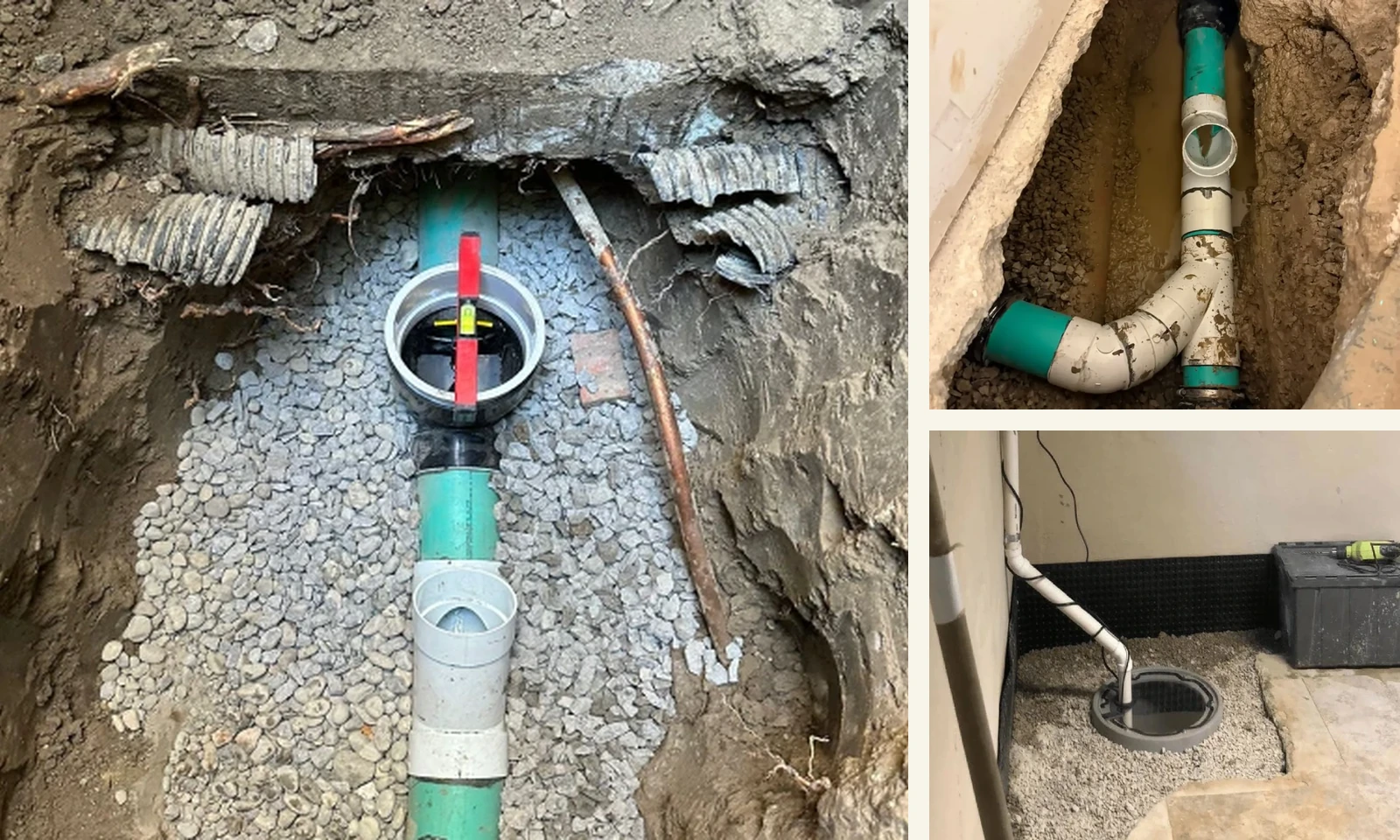
What Toronto homeowners should know
Basement flooding is not one problem. Reverse sewer flow, groundwater pressure, surface runoff and failed plumbing each require a different response. The timing, water location, odour and rainfall conditions are useful clues.
A useful prevention plan combines maintenance with property-specific assessment. Do not install a device simply because it appears on a subsidy list; confirm what pathway it is designed to address.
After any incident, prioritize electrical safety and contaminated-water precautions, document what happened and arrange appropriate cleanup before planning long-term work.
Municipal information: When a subsidy or permit is relevant, confirm current requirements directly with the City of Toronto. This website is a private contractor resource.
Need a property-specific assessment?
Bring photos, past invoices, camera reports and details about when the symptom occurred.
Request an Assessment