
Flood history
Where water appeared, when it happened and whether fixtures or floor drains were involved.
Toronto flood-protection plumbing
Separate foundation drainage from the sewer and manage collected water correctly. Disconnection work should be based on the home’s existing piping and drainage conditions. A sump system or other approved management approach may be required after the sewer connection is capped.

What this service addresses
Disconnection work should be based on the home’s existing piping and drainage conditions. A sump system or other approved management approach may be required after the sewer connection is capped.
We begin with the symptom, relevant history and the surrounding plumbing system. The recommendation may include maintenance, a new device, camera inspection, drain repair, monitoring or coordination with waterproofing work.
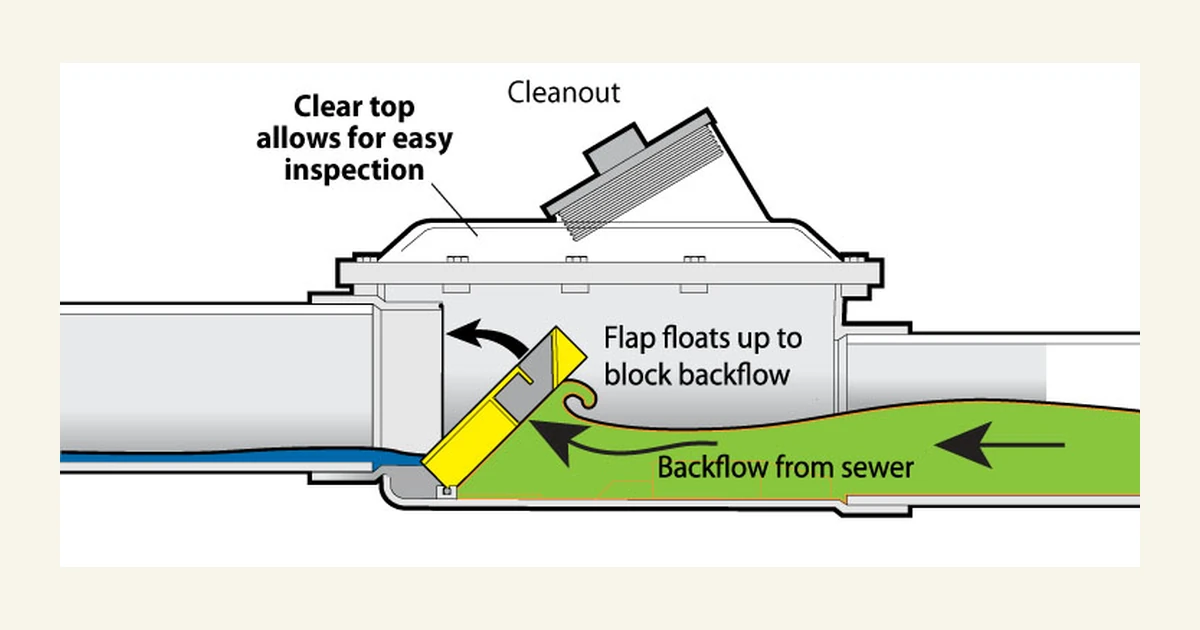
What we assess
A useful recommendation separates sewer surcharge, foundation drainage, surface water and private-lateral defects instead of treating every wet basement the same way.
Where water appeared, when it happened and whether fixtures or floor drains were involved.
Backwater valves, sump pumps, foundation drains, cleanouts and the building sewer.
Property grading, access, pipe materials, previous work and visible moisture pathways.
Maintenance, monitoring, camera inspection, repair, installation or coordinated waterproofing support.
Why it matters
Toronto homes often combine older sewers, renovated basements, foundation drainage and newer protection devices. A valve, pump or drain repair only helps when it addresses the actual route that water can take.
For this work, we consider how the proposed measure interacts with the building drain, private sewer lateral, foundation drainage and safe access for future maintenance.
The goal is a clear scope that homeowners can understand, with permit, inspection and record-keeping requirements explained before work begins.
Related services
Our process
Share the flood history, symptoms, photos and any previous reports.
Review the relevant drains, sewer, pumps, valves and site conditions.
Receive practical options, limitations and permit or subsidy considerations.
Carry out approved work and organize applicable invoices, permits and maintenance guidance.
Questions
Start with a clear assessment of the plumbing and drainage risk.